
-
Last Updated:
Spinfin: card blocks, descriptors and UK payment checks
This page explains how Visa debit payments can work at online casinos. It also covers what to check before you deposit. Spinfin is a brand reviewed from documents alone. We have not tested deposits, play or payouts.
In Great Britain, credit-card gambling is banned. That rule covers cards and indirect wallet payments. Visa debit is different from credit. But the Visa logo alone does not prove UK licensing, payout speed or player eligibility.

Spinfin: access blocked on 16 November 2026
On 16 November 2026 our browser opened https://spinfin.com/ and showed a 403 page headed “Access restricted”. It said the project was unavailable in the current country for legal reasons. We did not bypass this block or open an account.
Our browsing setup was not a controlled UK-location test. So this page is not proof of access from Great Britain. It only stopped us from viewing the public cashier and terms pages in that session.
The screenshot records exactly that page. It is not a payment failure, licence check or payout test. We cannot confirm current Visa support or any payout promise from this observation alone.
What a Spinfin payment record can establish
Spinfin's UK licence, payment access and current firm contact are not checked. This guide helps you with a payment problem you already have. It makes no claim about bonuses, payout speed or games. Check that the exact website name, legal firm name and UK Gambling Commission account number all match the public register. Check the UKGC public register before you rely on any payment record.
No match on the register means the firm is unverified, not automatically unlicensed. This matters to your case. Regulators act on licence status. Card issuers act on payment evidence. Keep the two tracks apart. Your bank may still look into a disputed card payment even if the licence is unclear.

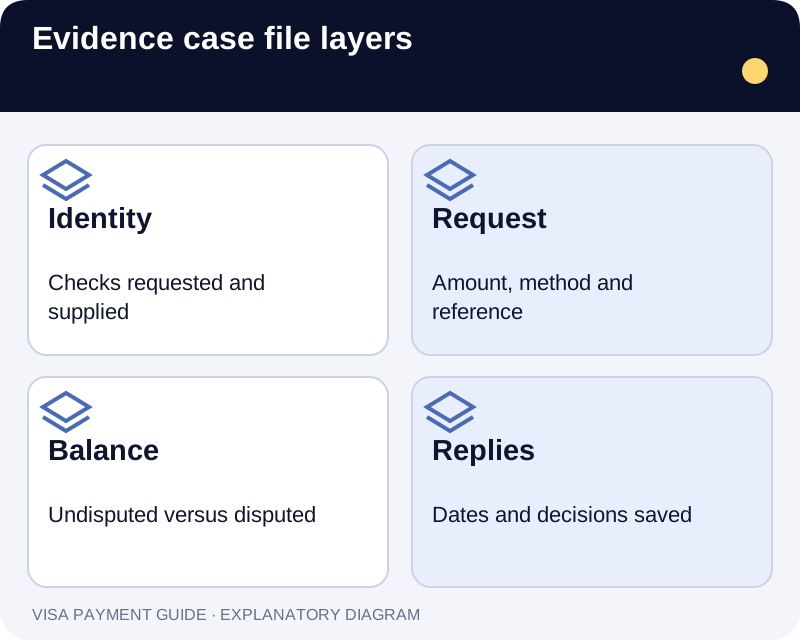
| Record field | What it can show |
|---|---|
| Exact hostname | Which website took the payment |
| Legal firm name | Which firm may hold the contract |
| Card issuer and receipt currency | Which bank processed it and in what currency |


Editor’s note:
Useful records include the exact website name, the legal firm you contracted with, the card issuer and the currency on the receipt. These four fields often show a mismatch. A receipt with a different firm or currency can weaken the idea of one single relationship. Treat each record as useful, not as proof of every fact.
Separate cash from bonus conditions
Use an example ledger, not Spinfin data: £60 of your own cash left, £15 of winnings from it and £10 bonus credit. The £75 deposit balance sits apart from the £10 bonus. Mixing them hides what you really own. Under GB rules, wagering conditions cannot lock your own cash or winnings from it. Read the GB withdrawal restrictions guide.
You can test the split against legal rules. A firm may put bonus conditions on bonus credit, but not on the protected parts. If a statement blends the three, ask for a written breakdown of each part. A clear breakdown lets you check whether the withheld amount touches protected cash.
| Balance component | Meaning |
|---|---|
| £60 own cash | Money you paid in; protected from wagering locks |
| £15 derived winnings | Wins from your own cash; also protected |
| £10 bonus credit | Firm credit; conditions may apply |
Editor’s note:
A full withdrawal of your own balance should carry no firm fee. That expectation comes from the same GB material. See the maximum withdrawal limits guide. This page does not promote bonuses. It uses the ledger only to help you read a dispute you already have.
What merchant codes and bank records show
Monzo is used here as an example bank, not a Spinfin partner. Its gambling block uses merchant category codes. A firm coded wrongly can get past the block. Your bank can still look into it. That is not proof Visa approved the firm, and not proof of a UKGC licence. Read Monzo's official gambling block help.
Keep four records apart, as each has a different role: the payment descriptor, the merchant category code, the issuer reference and the legal contract. Each answers a different question. None alone proves the whole relationship. Matching them shows which question to raise with which party.
| Evidence | Role in your case |
|---|---|
| Payment descriptor | Shows the name printed on your statement |
| Merchant category code | Shows how the payment was classified |
| Issuer reference and legal contract | Link the payment to the firm you contracted with |
Payment evidence and dispute deadlines
Read the payment dates in the right order
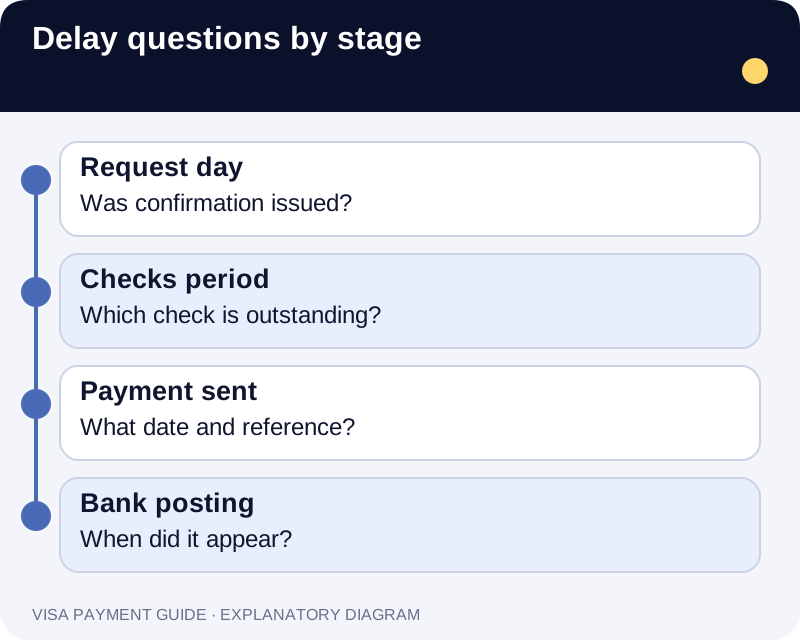
Take an example £42 payment. A block was turned on 11 November. The payment was approved on 12 November and posted on 13 November. These dates alone do not prove the block failed. Order matters more than any single date. Ask your issuer for the exact approval time, the block's start time and its scope.
The block's effective start time matters more than when you tapped the switch. Compare it with the payment's authorisation time, not just its later posting date. The merchant code and type of payment also matter. A posting date alone cannot show whether the bank should have blocked the payment.
| Date record | What to compare |
|---|---|
| Authorisation time | When the issuer approved the payment |
| Posting date | When it reached your account |
| Block effective start | When this control began to apply |
Approval records are evidence, not automatic consent
A login record, an email, use of your own device or a 3-D Secure prompt is not proof of consent on its own. Your memory that you approved a payment matters, but your issuer weighs all the facts together. An authorised gambling loss alone is not grounds for a chargeback. Report genuine unauthorised payments promptly. Never make a false fraud claim. Read the FCA guidance on fraudulent payments.
Each record has a narrow meaning. A device log shows a device was used, not who pressed confirm. Keep this in mind when you write to your bank. Say what you know and what you cannot confirm.
| Record | Limited meaning |
|---|---|
| Login and device log | An account was accessed from that device |
| 3-D Secure prompt | A check was requested; the outcome needs issuer records |
| Your own recollection | Personal evidence the issuer will weigh |
Three different dispute deadlines
A chargeback often runs for 120 days, but the start point depends on the claim and your issuer's confirmation; it is not fixed for all cases. Report unauthorised payments promptly; notice is usually expected within 13 months. The Financial Ombudsman usually needs a complaint within six months of the firm's final response. Review Visa's chargeback guidance and the FOS complaints page.
| Clock | Trigger |
|---|---|
| Chargeback window | Relevant payment or expected-service date; the issuer confirms which |
| Unauthorised payment notification | Prompt report, usually within 13 months |
| FOS complaint window | Firm's final response, usually six months |
Editor’s note:
These clocks run at different speeds. Do not wait for the firm's internal complaint process, which can run for eight weeks before ADR eligibility, before you ask your issuer about a chargeback. A delay on one route can close another. Note each trigger date as it happens.
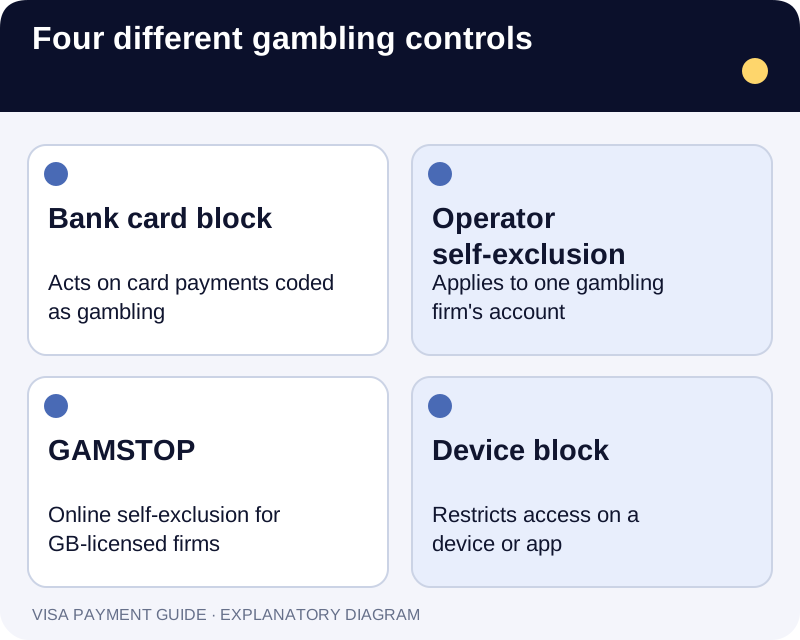
A bank block and a device block cover different things
Monzo's official gambling block offers a chosen cooldown from two days to one year. The block does not end on its own after that period; there is a delay before it turns off. A device block restricts website access. A bank block targets known card payments. Bank transfers need their own controls. See Monzo's block details.
GAMSTOP bars consumers from GB firms that take part; it is not universal. Knowing which control covers which payment path stops you expecting the wrong tool to work. This page gives no removal steps and no ways to get around a block.
| Control | Scope |
|---|---|
| Bank card block | Known card payments; chosen cooldown period |
| Device or software block | Website access from that device |
| GAMSTOP | GB firms that take part only |
Choose the complaint route for the actual problem
If a casino withholds money, complain formally to the firm first. Then eligible alternative dispute resolution follows a final response, a deadlock, or eight weeks. ADR does not promise a payout. For UKGC regulatory concerns, report them directly; the regulator does not get money back for you. See the UKGC complaints guide.
For a card payment complaint, contact your issuer. A final response normally comes within 15 business days, or 35 in exceptional cases. FOS eligibility usually runs six months from that response. Check FOS eligibility.
| Actor | Responsibility |
|---|---|
| Firm and eligible ADR | Casino complaint and dispute resolution |
| Card issuer | Payment disputes and unauthorised claims |
| UKGC | Regulatory concerns; not refunds for you |
Editor’s note:
If the exact Spinfin contracting firm is still unverified, no particular ADR cover can be promised. Keep a dated record of every contact and payment. Do not invent contact details. Match each route to the problem you actually have.
Customer Support
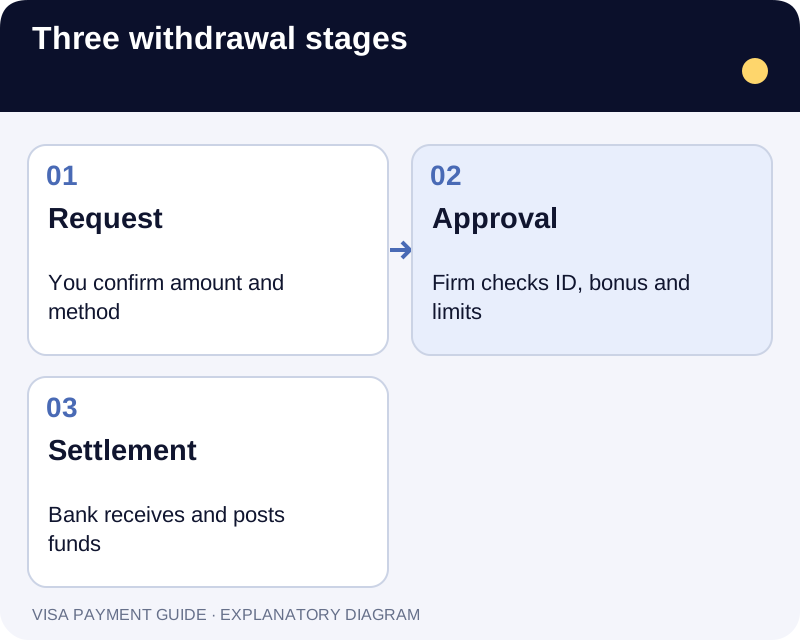
Support quality matters when a card payment fails. Check which channels are live before you deposit. We have not tested Spinfin support. The points below are checks you can make yourself.
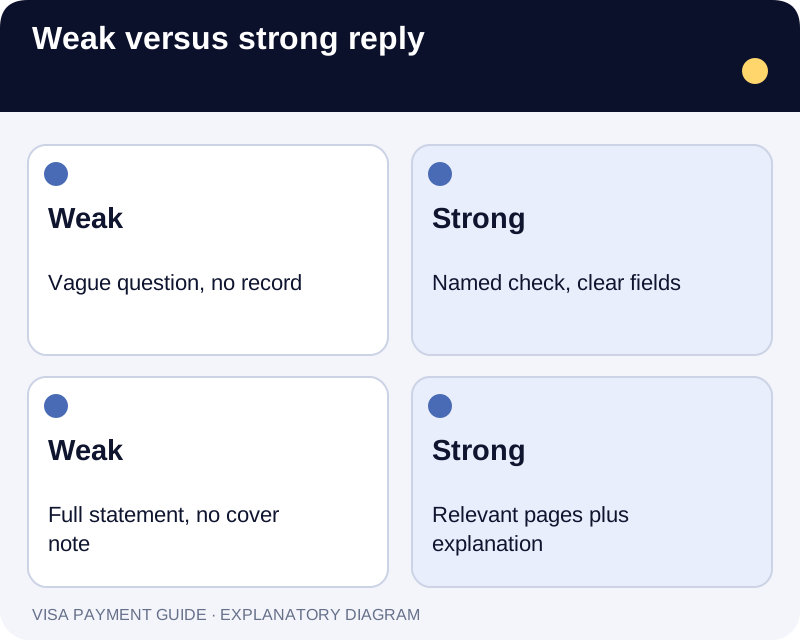
- Find the help or contact page and note the listed channels.
- Ask whether Visa debit is accepted for UK players.
- Ask about identity checks and payout timing.
- Keep written replies in case of a payment dispute.
- Check the UKGC register for the legal entity.
- If a card block occurs, contact your bank. Do not try to bypass it.
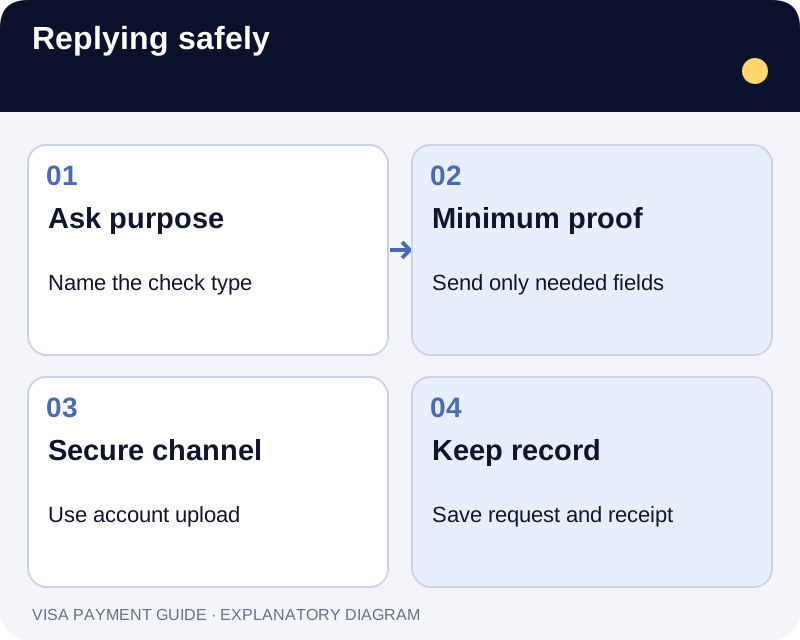
Good support gives clear, written answers about payments and checks. It should not pressure you to deposit or promise fast payouts. If answers are vague, treat that as a warning sign.
Editor’s note:
Ask one clear question at a time. For example: “Do you accept Visa debit from UK players, and what checks apply?” Save the reply. If the answer conflicts with the UKGC register, do not deposit.
Responsible Gambling
Gambling is not a way to make money or recover losses. Set limits before you play. Use the tools below and take breaks. If gambling stops feeling like a choice, seek help.
- Set a deposit limit before you start playing.
- Never chase losses or increase stakes to win back money.
- Use GAMSTOP if you need self-exclusion from GB sites.
- Take regular breaks and keep track of time spent.
- Only gamble with money you can afford to lose.
- Ask support about time-outs and account limits.
GAMSTOP covers participating GB licensed operators. It does not cover unlicensed sites. Check a site’s UK licence first. If you need urgent help, contact a gambling support service. This site is for information only.
Other Visa Casinos
These brands appear in our source list. We have not verified UK licences, UK access, bonuses or Visa cashier terms for any of them. Treat each mention as informational only, not a recommendation.




FAQ
We have not verified Spinfin’s cashier or UK licence. Check the UKGC register and the live cashier. Visa debit is not the same as Visa credit, which is banned for GB gambling.
We cannot confirm a current minimum. Check the live cashier and terms. Values can differ by currency, payment method and region.
Source lists show headline offers, but we have not verified them. Check current terms and UK eligibility. Do not opt in until you have read the wagering rules.
We have not verified a game count. Catalogues change and may differ for UK players. Check the live lobby after you confirm the operator’s licence.
We have not verified support channels. Check the site’s help page. Ask in writing about UK access, Visa debit rules and identity checks. Keep the reply.